Introduction
Encountering a snake in the wild can be a thrilling experience, however it can also cause potentially serious situations, especially if bitten. Amongst the different types of snakes located in Australia, the tiger snake attracts attention as a result of its aggressive nature and powerful venom. copperhead This write-up gives a detailed overview on first aid for snake attacks, especially concentrating on tiger serpent encounters. Equipped with expertise and readiness, you can dramatically boost end results in situation of a snake bite.
First Aid for Serpent Bites: A Step-by-Step Guide for Tiger Serpent Encounters
Understanding Tiger Snakes
What Are Tiger Snakes?
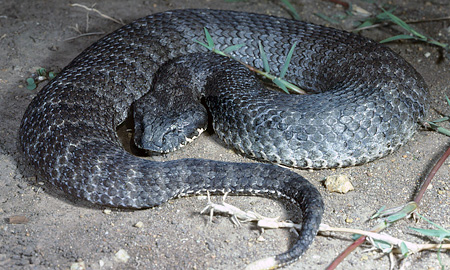
Tiger snakes ( Notechis scutatus) are among Australia's many notorious snakes. They are recognizable by their distinctive banded patterns that look like a tiger's stripes, hence their name. These serpents are mostly found in seaside areas and wetlands across southern Australia, including Tasmania.
Are Tiger Snakes Venomous?
Yes, tiger snakes are very poisonous. Their venom contains neurotoxins that affect the nerve system and can result in paralysis or perhaps fatality if left without treatment. It's critical to have correct knowledge regarding these animals and their environments to decrease threats when experiencing them.
Tiger Serpent Habitat and Behavior
Where Do Tiger Snakes Live?
Tiger serpents occupy a selection of atmospheres ranging from seaside marshes and First aid for snake bites swamps to grasslands and woodlands. They prefer areas with sufficient cover such as thick plant life or rocks where they can conveniently camouflage themselves from predators.
Behavioral Patterns of Tiger Snakes
These serpents are largely nocturnal but might also be active during the day. They exhibit defensive habits when threatened, such as hissing loudly or flattening their bodies to appear bigger. Understanding their habits can help you stay clear of close encounters.
Identifying a Tiger Snake Bite
What Does a Tiger Serpent Bite Look Like?
A tiger serpent bite usually leads to two puncture wounds that might be come with by swelling, wounding, and staining around the bite location. Symptoms might differ depending upon the amount of venom injected; some people may experience queasiness, vomiting, problem breathing, or paralysis.
Snake Bite Signs and symptoms: What To See For?
- Pain at the bite site Swelling and bruising Nausea Dizziness Confusion Difficulty breathing
Recognizing these signs early is important for punctual treatment.
First Aid for Serpent Bites: Initial Actions to Take
1. Stay Calmness:
The initial step is to keep calm-- this will aid reduce your heart price and reduce the spread of venom through your bloodstream.
2. Call Emergency Services:
3. Incapacitate the Affected Arm or leg:
4. Maintain the Sufferer Still:
Encourage the victim to continue to be still while awaiting clinical aid; motion can intensify symptoms.
What Not To Do When Treating a Snake Bite
Avoid Usual Misconceptions: What Truly Doesn't Help?
- Do not use ice directly on the bite area. Do not use a tourniquet, as this can cut off blood flow entirely. Do not suck out venom with your mouth. Avoid alcohol, as it can intensify symptoms.
It's essential to debunk these myths-- wrong actions can worsen the circumstance significantly!
Creating Your First Aid Kit for Snake Bites
Essential Items for Your Emergency Treatment Kit:
A well-stocked emergency treatment kit particularly developed for snake attacks should include:
|Thing|Objective|| ----------------------------|------------------------------------------|| Stress Bandage|To debilitate arm or leg|| Splint|To maintain affected area|| Disinfectant Click here Wipes|For cleansing minor cuts|| Emergency Situation Contact Card|Important numbers|| Instruction Manual|For fast referral on treatments|
First Help Management of Serpent Bites: In-depth Steps
Assess Extent: Rapidly assess if it's a lethal situation. Positioning: Lay targets level with feet raised unless they're showing indications of trouble breathing. Monitor Essential Indications: Track breathing and pulse until help arrives. Prepare for Transport: If possible, prepare the sufferer for transportation by emergency -responders while ensuring they're comfortable.FAQs About Tiger Snake Encounters
1. What must I do if I see a tiger snake?
Stay calm, retreat slowly without provoking it, and look for safe sanctuary till it leaves the area.
2. Can tiger snakes swim?
Yes! Tiger serpents are exceptional swimmers and usually search in water bodies.
3. How much time does it take signs and symptoms to appear after a bite?
Symptoms can appear within mins but might likewise take hours depending on various variables like private reactions and venom potency.
4. Is there an antivenom available?
Yes, there is an effective antivenom offered specifically for tiger serpent bites carried out by medical care experts upon arrival.
5. How can I prevent serpent bites?
Wear appropriate footwear when treking or walking in bushland areas and remain watchful while walking known environments like wetlands or marshes.
6. Are infant tiger snakes dangerous?
Yes! Child tiger serpents are venomous just like adults; nonetheless, they have a tendency to be much less aggressive than totally grown samplings yet should still be treated with caution.
Conclusion
Understanding how to respond properly during a tiger snake encounter might save lives-- your own or someone else's! The significance of being prepared can not be overstated; understanding correct first aid procedures allows you not only to act quickly yet smartly when faced with such emergencies. Constantly remember that avoidance is crucial; recognizing your surroundings can substantially minimize threats associated with snake bites.
With this guide titled "Emergency treatment for Serpent Bites: A Step-by-Step Guide for Tiger Serpent Encounters," we hope you're better geared up both psychologically and physically to deal with any kind of unanticipated experiences with these fascinating yet hazardous creatures!